
Neda Gorge & Waterfalls
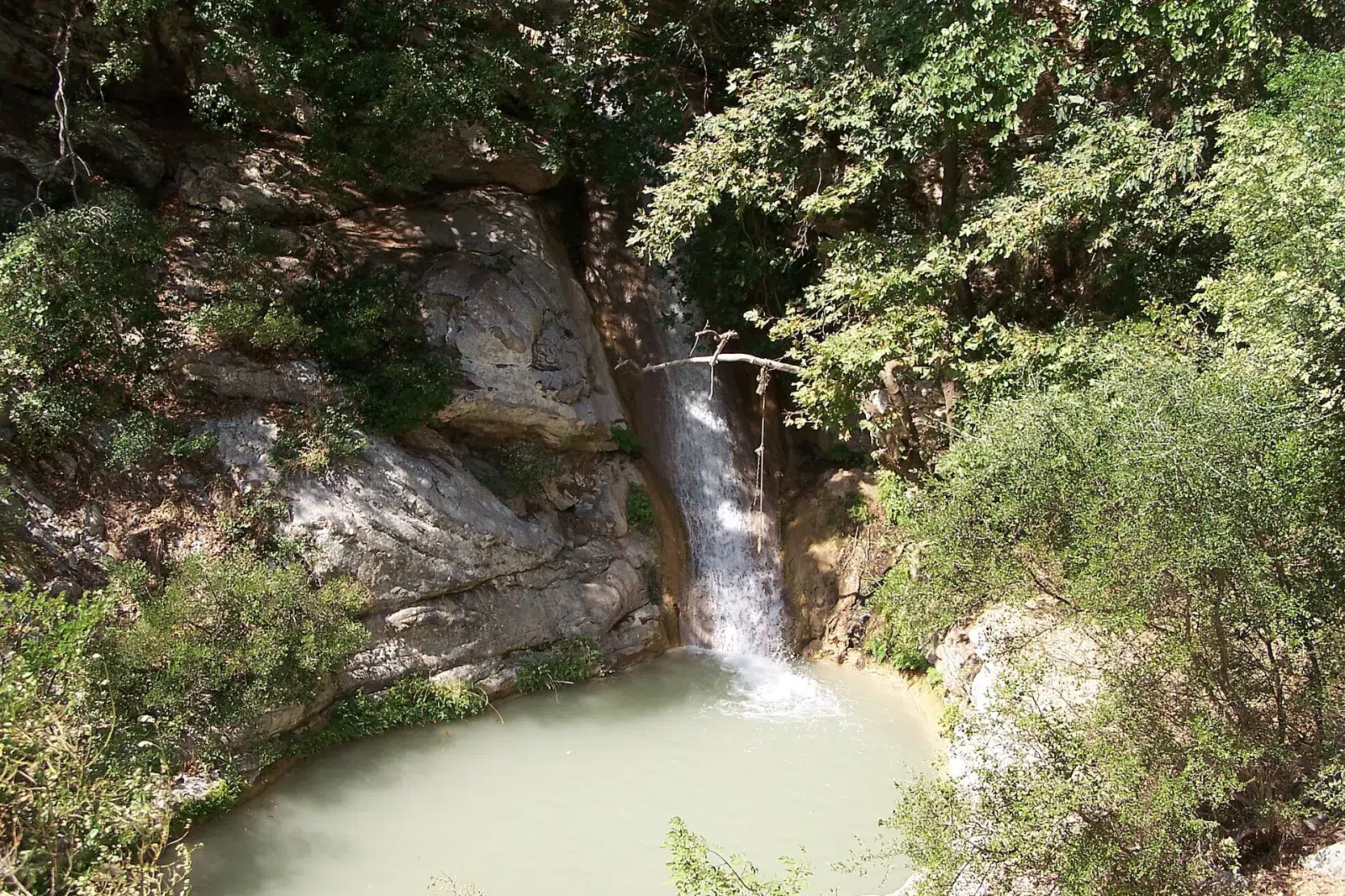
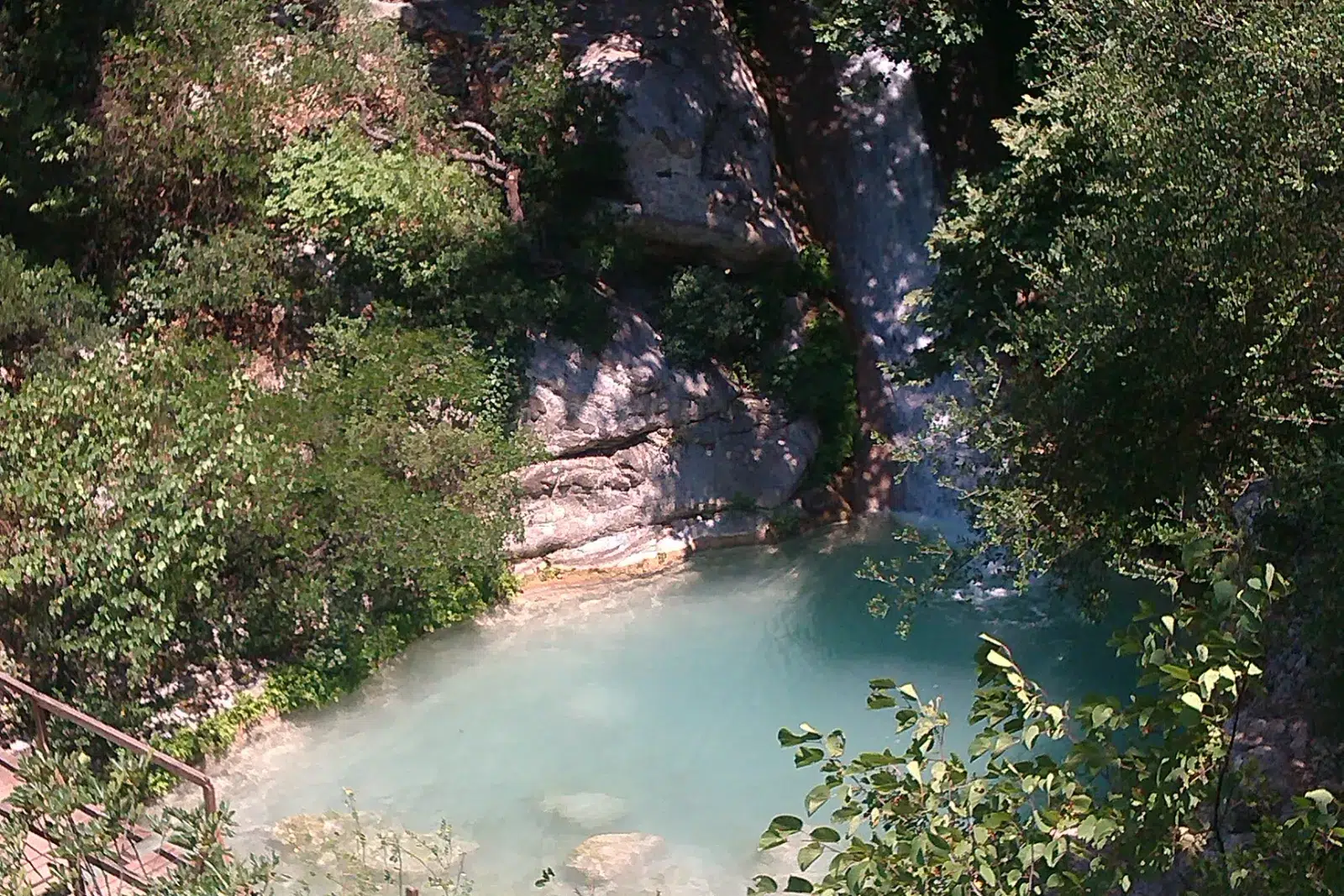
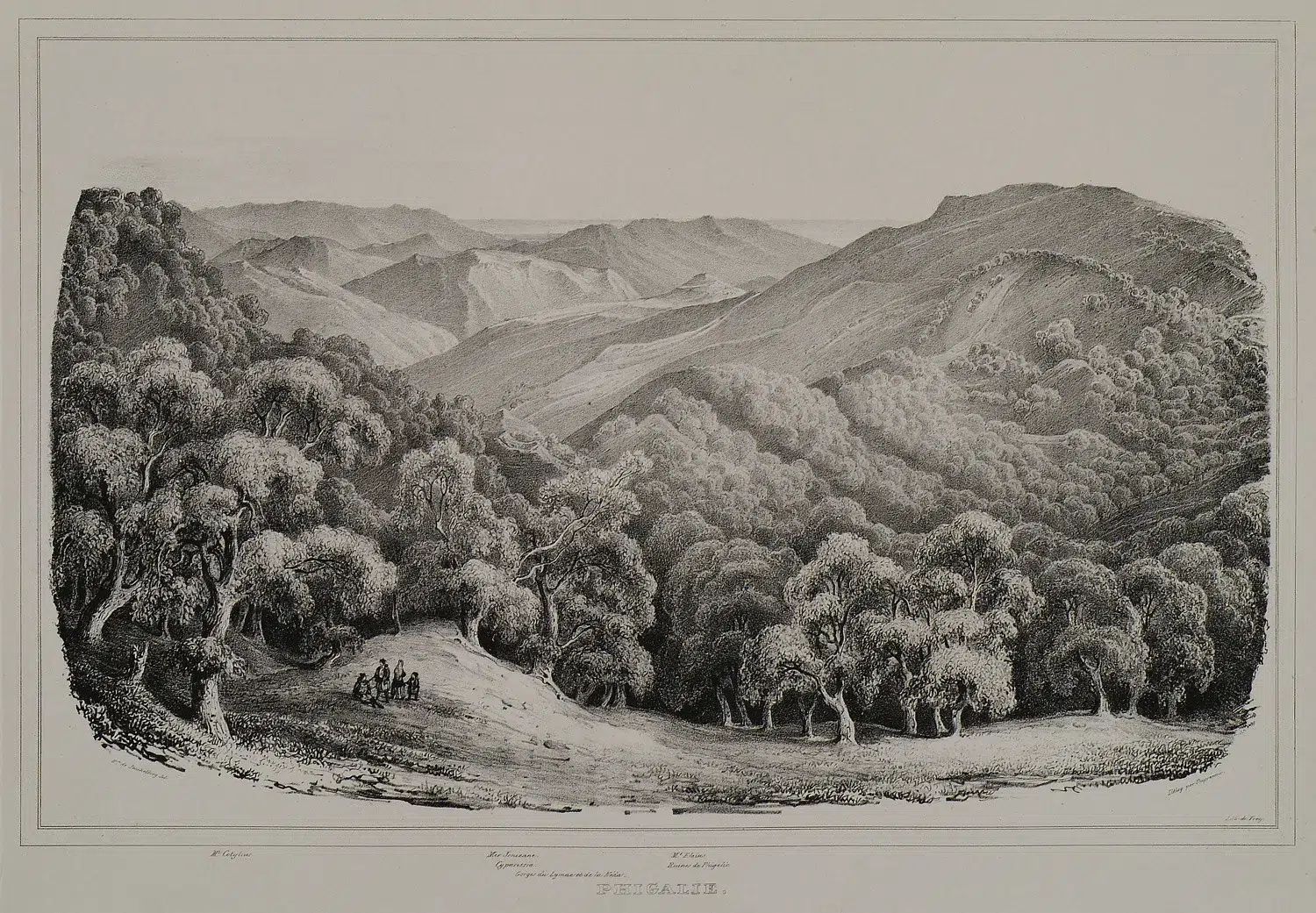
The river Neda cuts a deep, green gorge on the border of Messinia and Ilia, in the western Peloponnese. A short walk along the river leads to the Neda Waterfalls – white water falling into emerald pools under plane trees – one of the most beautiful natural spots in Greece. For the adventurous, the full crossing of the gorge is a full-day wade-and-scramble through rock tunnels and pools.
At a glance
| Region | Border of Messinia and Ilia, western Peloponnese – near the villages of Platania and Figaleia |
| Start | Platania (most popular) or Figaleia |
| Waterfall walk | About 3.5–4 km each way from the car park, out and back – half a day with time to swim |
| Full gorge crossing | 7–8 hours, one way (needs a pick-up at the end) |
| Difficulty | Waterfall walk: moderate. Full crossing: demanding, for experienced hikers |
| Best season | June to September for wading and swimming; spring and autumn for cooler walking. The water is cold all year. |
| Nearest airport | Kalamata – about 1 hour 30 minutes by road |
The route
To the waterfalls. Most walkers start at the village of Platania and follow the path down to the old stone bridge of Platania over the Neda, about 4 km. From the bridge it is a short walk upstream – around 15–25 minutes – to the first waterfall, and a little further to the main fall. You return the same way.
The full gorge. The complete crossing between Figaleia and Platania follows the riverbed itself: wading, sometimes waist-deep, through pools and past the Stomio, a natural rock tunnel about 100 metres long. It takes 7–8 hours and is best done with a local guide.
Highlights
- The Neda Waterfalls: a main fall of about 20–25 metres and a smaller lower fall of about 7 metres, with emerald pools for a cold swim.
- The Stomio, a natural tunnel about 100 metres long carved by the river.
- The little chapel of the Panagia set into the cliff, and old watermills along the river.
- An ancient fountain from the late 4th century BC.
- A protected landscape: in 2023 the Ministry of Environment announced the protection of the area between Figaleia and Platania, including the cave and the waterfalls.
Safety tips
- The paths are narrow, with slippery moss and no guardrails – wear good shoes with grip.
- On the river route you will wade often; bring water shoes and a dry bag for your phone and documents.
- Do not enter the gorge after heavy rain, when the river rises.
- Bring water and snacks – there are no facilities along the path.
- For the full crossing, go with an experienced local guide.
How we help
- Private transfer to the trailhead – and a pick-up at the other end for the one-way gorge crossing.
- An experienced local guide, on request.
- Hotels nearby and the rest of your trip in the Peloponnese.
Combine it with
The Neda is close to the Temple of Apollo at Bassae, a UNESCO World Heritage Site, and within easy reach of Ancient Olympia, Ancient Messini and the beaches of the Messinian coast.
Frequently asked questions
Can children do the waterfall walk?
Yes, children who are used to walking can do the walk from Platania to the waterfalls with care, as the path is narrow and slippery in places. The full gorge crossing is not suitable for young children.
Can I swim at the waterfalls?
Yes, many visitors swim in the pools below the falls in summer – but the water is cold all year round.
Do I need a guide?
Not for the waterfall walk from Platania. For the full crossing of the gorge we recommend an experienced local guide, which we can arrange on request.
How do I get there?
The nearest airport is Kalamata, about 1 hour 30 minutes away. From Athens the drive takes about 3 hours 30 minutes to 4 hours. We arrange a private transfer from Athens, Kalamata or your hotel.
Tell us your dates and how you would like to walk the Neda, and we will reply within 24 hours.
Header photo: Neda waterfall – Sp!ros, CC BY-SA 3.0, via Wikimedia Commons.
Complete the 2 steps and we will reply to you within 24 hours!